
Solo Dance
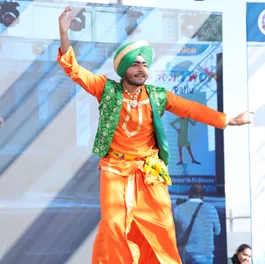
Solo dance is a captivating form of expression that allows an individual to communicate emotions, stories, or themes through movement, rhythm, and body language. It’s a deeply personal and creative art form that doesn’t require a partner or a group and allows the dancer complete artistic control over their performance. Solo dance enables the dancer to convey a narrative, emotion, or concept through movements, gestures, and expressions. It’s a powerful way to tell a story or evoke feelings without words. Dancers have the freedom to choreograph their routines, allowing for immense creativity and personal expression. They can explore various dance styles, techniques, and music genres to create unique performances that showcase their artistic vision. Solo dancers often focus on refining their technical skills, including body control, balance, flexibility, coordination, and precision in movements. Mastery of these skills enhances the quality and impact of their performances
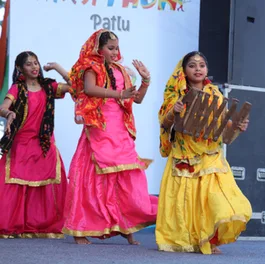
Group Dance
Group dance is a dynamic and engaging form of artistic expression that involves coordinated movements and choreography performed by a team of dancers. It’s a collaborative effort that relies on synchronization, teamwork, and unity to create visually stunning and impactful performances.Group dance requires precise coordination among dancers. Synchronized movements, formations, and transitions are essential to create a cohesive and visually appealing routine.Choreographers design routines that suit the group’s size, abilities, and style. They create sequences of movements, formations, and patterns that highlight the strengths of the dancers while complementing the music and theme of the performance.Successful group dances thrive on effective teamwork. Dancers must communicate and work together seamlessly, understanding each other’s movements and maintaining synchronization throughout the routine.

Group Singing
Group singing, much like group dance, involves a collective effort of multiple individuals coming together to create harmonious and melodious vocal performances. It’s a collaborative art form that showcases unity, harmony, and teamwork through the power of voices blending together.Group singers aim to create a harmonious blend of voices. Each singer contributes to the overall sound, adjusting their tone, pitch, and dynamics to match and complement the others, creating a cohesive and balanced performance.Arrangements in group singing involve dividing vocal parts (soprano, alto, tenor, bass, etc.) to create rich harmonies. These arrangements, whether in acapella groups, choirs, or vocal ensembles, are carefully crafted to maximize the beauty and depth of the combined voices. Like dynamics in music, group singing involves understanding when to sing softly (piano) or loudly (forte) as a group, creating an emotional impact within a song.
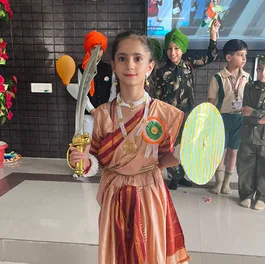
Costume Compatition
Participants use their imagination to create unique and visually appealing costumes. These designs could be inspired by fictional characters, historical figures, cultural icons, or original concepts.Attention to detail is crucial. Competitors often spend significant time and effort on crafting costumes, considering elements like fabric choice, sewing, prop-making, makeup, and accessories to bring their vision to life.Some competitions have specific themes or guidelines that participants must follow. This could involve a particular era, genre, movie, book, or cultural motif around which costumes are designed.Participants often present their costumes on stage, allowing judges and audiences to appreciate the intricacies and creativity involved. This presentation might involve showcasing the costume’s features, explaining the design process, or performing in character. Judges evaluate costumes based on craftsmanship, originality, attention to detail, adherence to the theme, and sometimes performance or stage presence.
Mime
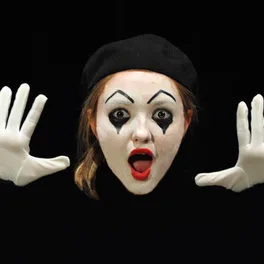
MIME, an art form that relies on body movements, facial expressions, and gestures, allows performers to communicate complex emotions and narratives without using words.Performers use exaggerated and precise movements to convey emotions, actions, and scenarios. Every gesture and facial expression is meticulously crafted to communicate a specific idea or feeling.Mimes often present stories or situations using a series of connected movements. These could range from simple everyday activities to more elaborate narratives that evoke laughter, empathy, or contemplation.Mime performances explore a wide range of emotions, from joy and humor to sadness and introspection. The performers’ expressiveness and control of body language allow them to delve deeply into the emotional essence of their characters or situations. Mimes have the freedom to create imaginative scenarios or characters that captivate the audience’s imagination. They can portray invisible objects, interact with imaginary elements, or portray characters from various walks of life.
 Short Film
Short films are captivating snapshots of storytelling, offering condensed yet powerful narratives that captivate audiences in a limited timeframe.Short films are an art form that excels in telling compelling stories within a limited duration, often ranging from a few minutes to around 40 minutes. They require precision in storytelling, condensing the narrative without losing depth.Short films span various genres, from drama and comedy to thriller, horror, sci-fi, and beyond. This diversity allows filmmakers to experiment with storytelling styles and engage audiences through different emotional arcs.Filmmakers skillfully develop characters and storylines in a short duration, ensuring that audiences connect with the protagonists and relate to their journeys or experiences.Every frame in a short film is a canvas for creativity. Filmmakers use visual elements, cinematography, editing techniques, and symbolism to convey emotions, themes, and messages effectively.Short films often tackle pertinent social issues, personal struggles, or universal themes that resonate with audiences on a personal level. Their succinct nature allows for impactful storytelling that leaves a lasting impression.
Battle of Rappers
Rappers showcase their skill in crafting intricate rhymes, clever wordplay, and storytelling within the rhythm and flow of their verses. Their ability to manipulate language and convey emotions through lyrics is at the forefront.The battle format often involves rapid-fire exchanges of improvised or pre-written verses. Rappers engage in verbal sparring, delivering punchlines, metaphors, and clever disses aimed at their opponents, showcasing their wit and agility.It’s not just about the words; stage presence, confidence, and delivery play a significant role. Rappers command attention through their demeanor, gestures, and charisma while maintaining a strong connection with the audience.Battles may include both freestyle sessions, where rappers improvise verses on the spot, and prepared written verses that showcase their craftsmanship and storytelling abilities.
 Debate
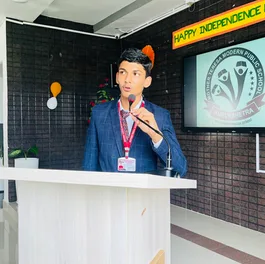
Debates are like intellectual sparring matches where participants use reasoning, evidence, and rhetoric to defend their stance on a particular topic. Each point becomes a strategic move in the battle for persuasion. There’s a defined structure to debates, often including opening statements, rebuttals, cross-examinations, and closing arguments. This structure ensures a fair and organized exchange of ideas. Debaters invest time in researching their topics, gathering evidence, and crafting logical arguments to support their position. Preparation is key to presenting a strong case. Participants need to think critically, analyze information, and anticipate counterarguments to strengthen their positions and effectively challenge their opponents. Debates rely on effective communication skills. Participants must articulate their points clearly, use persuasive language, and engage the audience to win support for their perspective. While the atmosphere may be intense, debates emphasize respectful disagreement. Participants acknowledge opposing viewpoints and counter arguments without personal attacks.
Best out of Waste
Participants use their ingenuity to repurpose everyday items that might otherwise be thrown away. They showcase the beauty of recycling and upcycling by giving new life to these materials. This competition encourages boundless creativity. From plastic bottles and newspapers to cardboard, fabric scraps, and more, any discarded item can become a canvas for innovative art. By turning waste into art, participants highlight the importance of environmental conservation and the possibilities of reducing waste through creative reuse. The competition fosters innovative thinking and problem-solving skills. Participants experiment with unconventional materials and techniques to craft unique and visually appealing creations.”Best out of Waste” competitions often serve as educational platforms, promoting sustainability and encouraging individuals to rethink their relationship with disposable items. These competitions bring people together around a common goal of creative sustainability. They provide a space for sharing ideas, techniques, and inspiration to create a positive impact. The resulting artworks often surprise with their aesthetic appeal. What was once considered trash transforms into beautiful pieces of art, showcasing the transformative power of creativity.
 Poster Making
Posters are a visual medium for communication. Participants use colors, images, typography, and design elements to convey messages or ideas effectively. The contest encourages participants to unleash their creativity. Artists explore various artistic styles, techniques, and concepts to create visually stunning and thought-provoking posters. Posters often aim to convey a specific message or theme. Participants distill complex ideas into concise and impactful visuals, ensuring that the message is clear and easily understood. Effective posters evoke emotions and resonate with viewers on a personal level. They have the power to inspire, raise awareness, provoke thought, or ignite action through their visual storytelling. Visual appeal is crucial in poster making. Artists balance creativity with design principles to create aesthetically pleasing compositions that draw the audience’s attention and hold it. Posters tell stories through imagery. Participants use symbolism, metaphors, and visual narratives to communicate complex concepts or evoke specific emotions.
Face Painting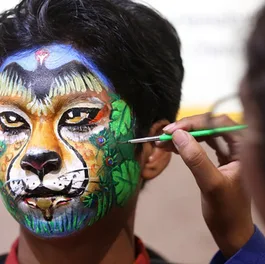
Face painting allows for imaginative self-expression. Participants use colors, designs, and artistic techniques to bring their visions to life on the canvas of the human face.Artists dive into their creative process, using the face as a canvas to create stunning designs, characters, or themes. They blend colors, shapes, and patterns to craft unique and captivating visuals. Face painting offers a personalized and interactive experience. Artists work closely with individuals, taking their preferences, ideas, or event themes into account to create customized designs.The possibilities are limitless in face painting. Artists can explore a wide range of designs, from animals, superheroes, and fantasy creatures to abstract art and intricate patterns.Face painting adds vibrancy and excitement to events. Whether it’s a festival, party, fundraiser, or special occasion, it elevates the atmosphere and creates memorable experiences. Face painting is not just about the art; it’s an interactive and engaging activity. Participants enjoy the process of being transformed and often become part of the creative journey.Face painting captivates people of all ages. Children and adults alike enjoy the fun and whimsy of having their faces adorned with colorful designs.
 Football
Football, or soccer as it’s known in some regions, is a globally beloved sport that unites people of different backgrounds and cultures. Football is more than just a sport; it’s a global phenomenon that ignites passion and enthusiasm across continents. It brings together diverse communities and transcends language and cultural barriers. At its core, football is a team sport that emphasizes collaboration, teamwork, and collective effort. Players work together towards a common goal, fostering camaraderie and unity on and off the field. It’s a game of skill and strategy, requiring players to exhibit technical prowess, agility, speed, and strategic thinking. Tactics, formations, and game plans are essential elements in achieving victory. Football tournaments like the FIFA World Cup, UEFA Champions League, and domestic leagues around the world captivate millions of fans. These events showcase top-level talent and create unforgettable moments. Football evokes a range of emotions among fans—from elation to heartbreak—in a single match. The unpredictability of outcomes and last-minute goals often make it an emotional rollercoaster.
Basketball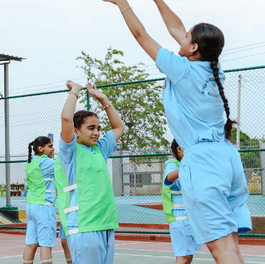
Basketball is known for its fast-paced nature. Players constantly move on the court, engaging in rapid transitions between offense and defense, making it thrilling to watch.It’s a game that requires a blend of individual skill and team strategy. Players demonstrate dribbling, shooting, passing, and defensive techniques while executing strategic plays. Successful teams excel in communication and teamwork. They coordinate their movements, anticipate plays, and support each other to achieve common objectives. Basketball demands athleticism, agility, and endurance. Players showcase their athleticism through jumping, running, quick direction changes, and precise movements. Coaches and players devise various offensive and defensive strategies to outmaneuver opponents. These tactics involve plays, pick-and-rolls, zone defenses, and more, adding depth to the game. Basketball tournaments draw enthusiastic crowds. Spectators immerse themselves in the excitement, cheering for their teams and contributing to the electrifying atmosphere. While teamwork is crucial, basketball also allows individual talents to shine. Exceptional players exhibit their skills, leadership, and ability to influence the game’s outcome. Basketball’s popularity spans continents, uniting diverse communities. It’s played and celebrated globally, contributing to its status as a truly international sport.
 Volleyball
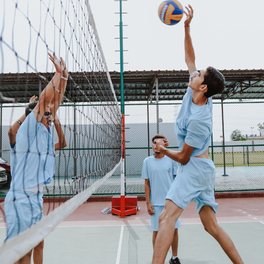
Volleyball is characterized by fast-paced rallies, where players leap and dive to save the ball and execute powerful attacks. The sport’s quick tempo keeps audiences on the edge of their seats. Players showcase various skills, including precise passing (bumps), accurate ball placement (sets), and explosive hitting (spikes), highlighting their technical prowess and agility. Teams strategize their plays, including defensive formations, offensive tactics, and coordinated movements, aiming to outsmart opponents and control the game’s momentum. Volleyball emphasizes teamwork and communication. Players must work cohesively, covering the court effectively, supporting each other, and making split-second decisions. Net play, including blocks and spikes, is a crucial aspect of the game. Blockers attempt to stop opponents’ attacks, while hitters aim to penetrate the defense with powerful and well-placed spikes. Volleyball championships create an electrifying atmosphere, with spectators cheering for their teams, amplifying the excitement, and adding to the competitive spirit. Volleyball is adaptable and inclusive, allowing for various formats like indoor, beach, and sitting volleyball. It appeals to a wide range of participants and fans across different settings. The sport’s popularity transcends borders, with international tournaments like the Olympics and World Championships showcasing the sport’s universal appeal and global following.
Chess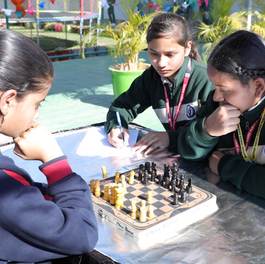
Chess, often hailed as the “game of kings,” is a timeless and strategic board game that captivates players with its depth, complexity, and tactical intricacies. Chess is a game of strategy, requiring players to plan and anticipate moves several steps ahead. It challenges participants to think critically, analyze positions, and devise long-term plans while considering immediate threats. The game involves a myriad of tactics, including forks, pins, skewers, discovered attacks, and more. These tactical maneuvers allow players to gain advantages, trap opponents’ pieces, or secure checkmate. Chess stimulates the mind, enhancing cognitive skills such as problem-solving, memory, concentration, and pattern recognition. It’s a game that encourages continuous learning and improvement. With an immense number of possible moves and positions, chess offers endless possibilities. Each game unfolds uniquely, making it an ever-evolving challenge even for seasoned players. While rooted in strategy, chess allows for creative and imaginative gameplay. Grandmasters often display artistic and unconventional moves that surprise opponents and spectators alike. Chess transcends age, gender, and background, providing an equal playing field for all. Success in chess is based on skill and knowledge rather than physical prowess.